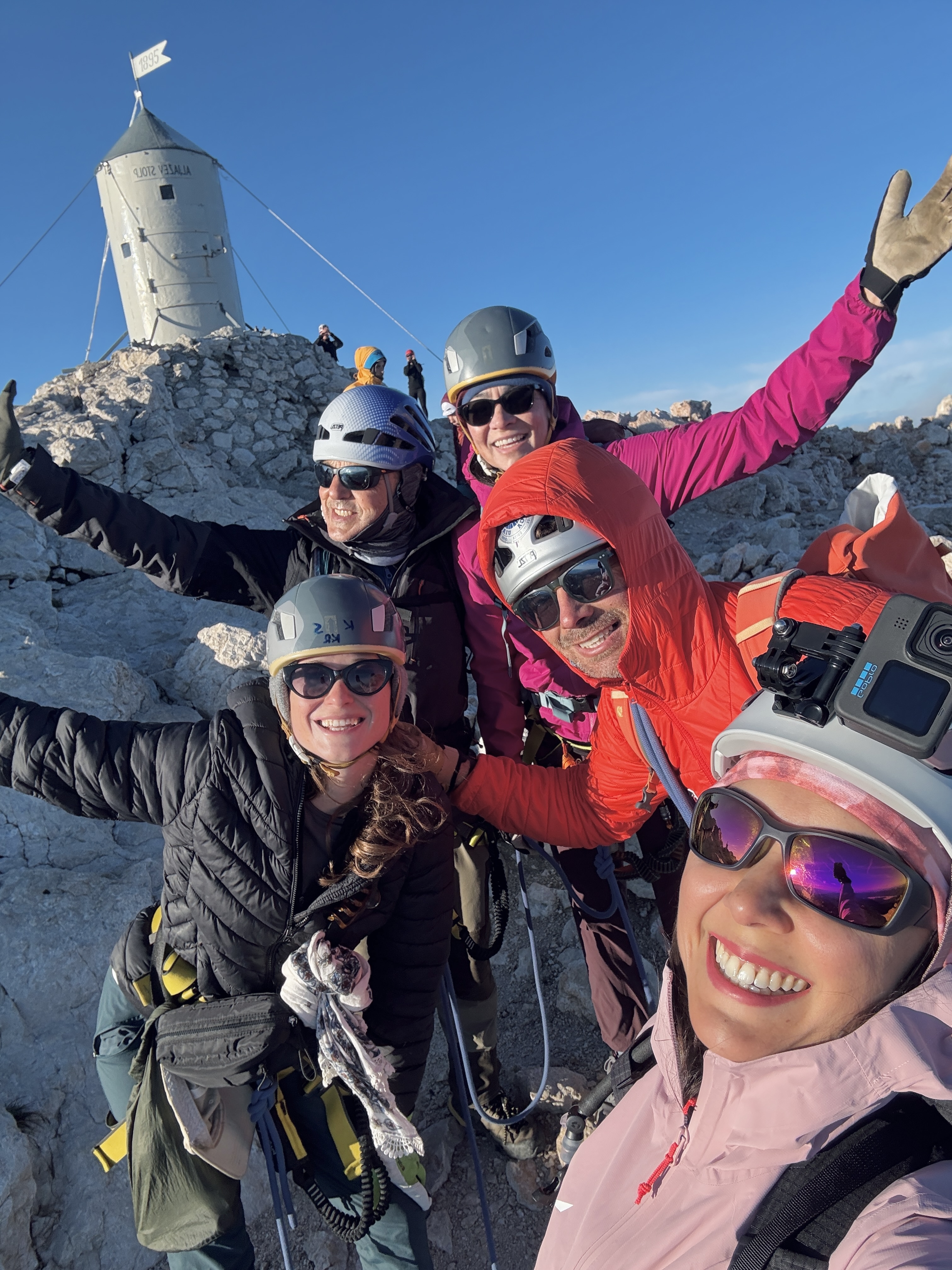
Planning to climb Mount Triglav? Here are the answers to the questions we hear most often.

Climbing Mount Triglav (2,864 m) is on the bucket list of many hikers visiting Slovenia. Every season, thousands of people attempt the country's highest summit.
This article was prepared in collaboration with Explore-Share and the local IFMGA-certified mountain guides they work with, who have helped thousands of international travellers climb Triglav over the past years.
Together with the team at Intersport Bernik, we noticed that visitors tend to ask the same questions before setting off. Here are the answers that come up most often.
1. How difficult is Mount Triglav?
The standard ascent is generally considered an intermediate mountain climb.
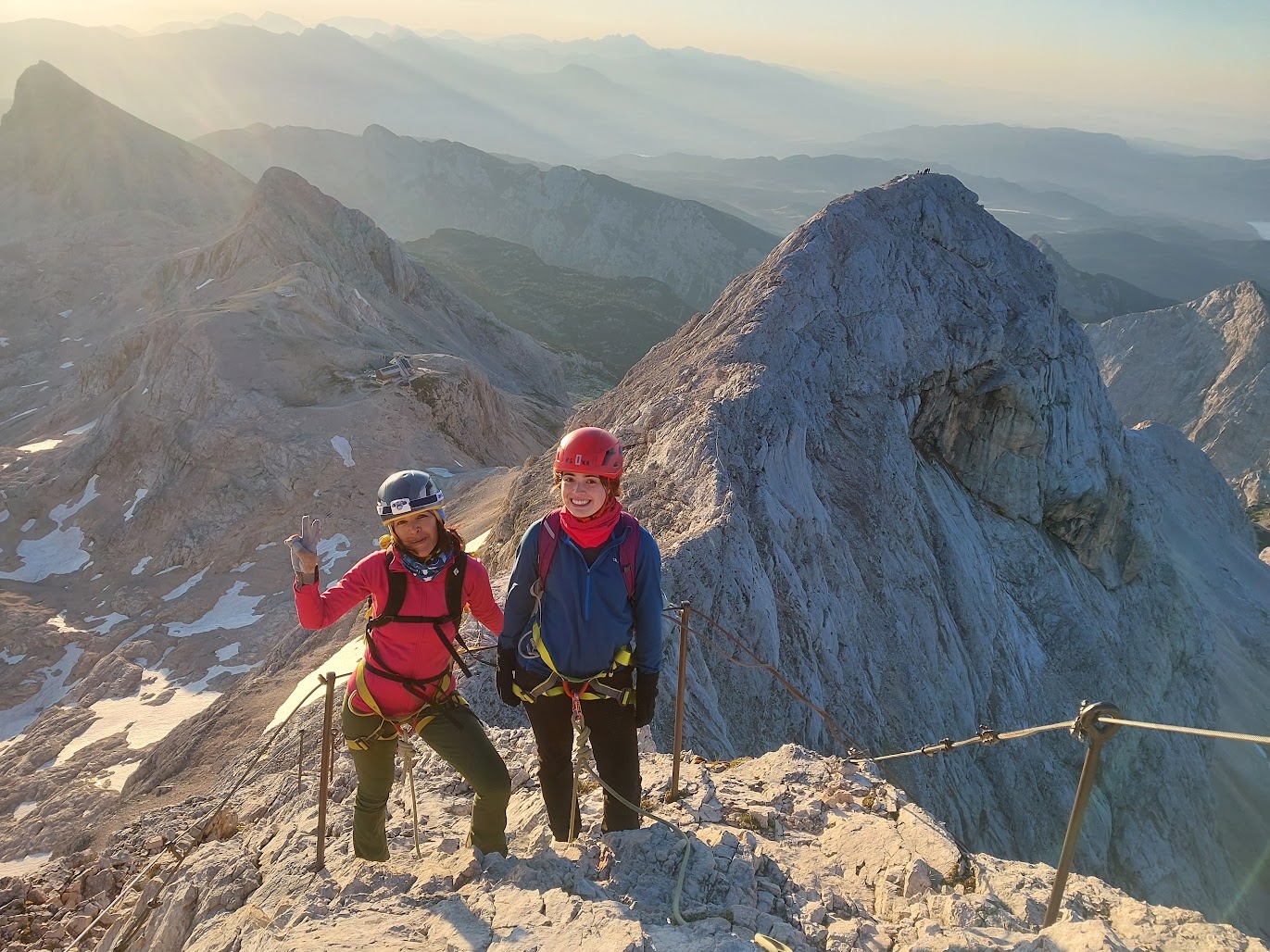
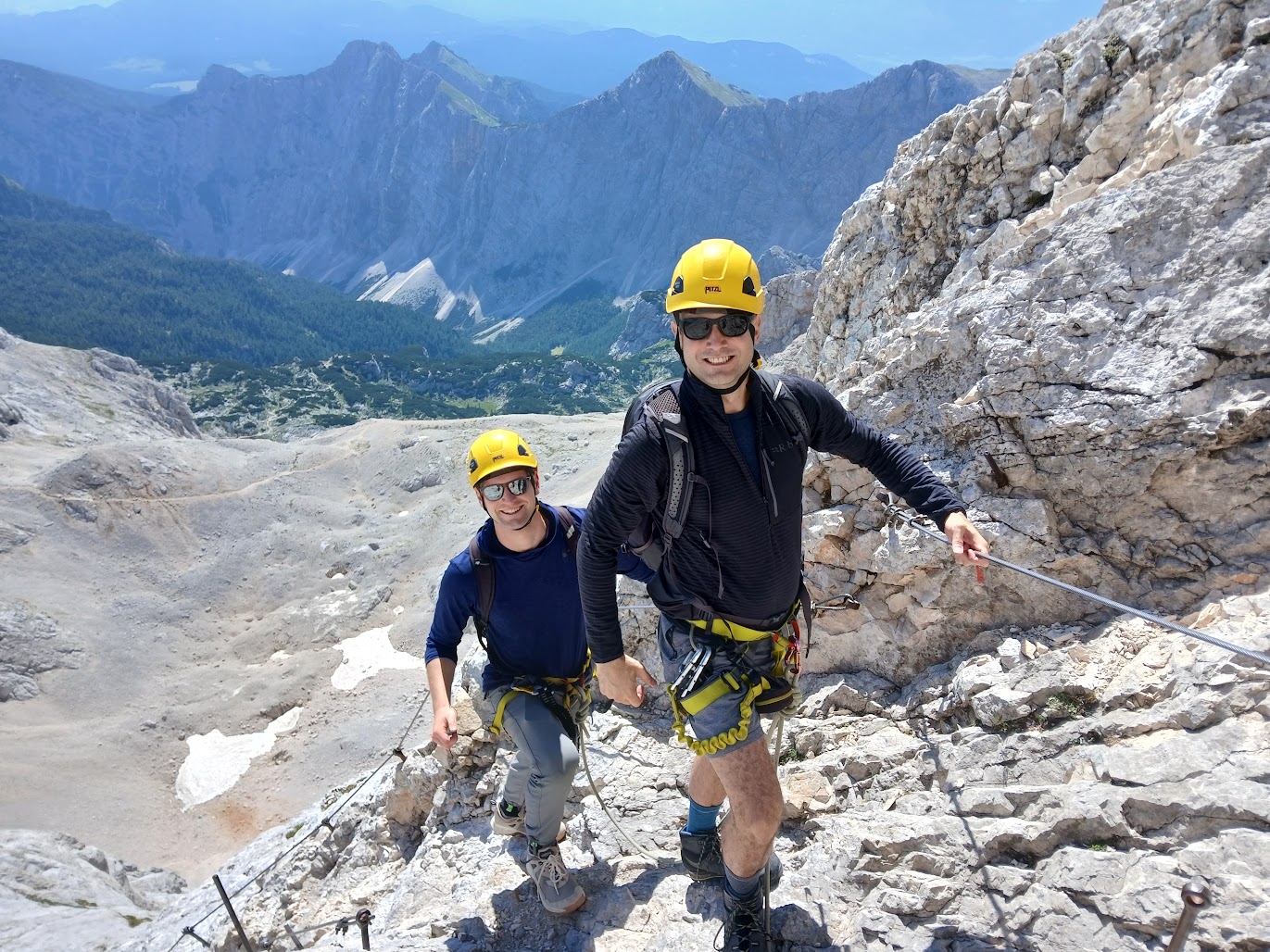
It is not a technical climbing route, but it should not be underestimated. The final section follows a protected ridge equipped with steel cables and pegs, where most hikers use via ferrata equipment.
According to local IFMGA mountain guide Mitja:
"The Mount Triglav climb is considered an intermediate-level ascent. It's not very technical, but it has some areas in the last stretch that require the use of a rope. It's important that you have good physical condition and no fear of heights. You should also be able to walk up to six hours continuously."
Good physical condition is far more important than previous climbing experience.
2. Which route should you choose?
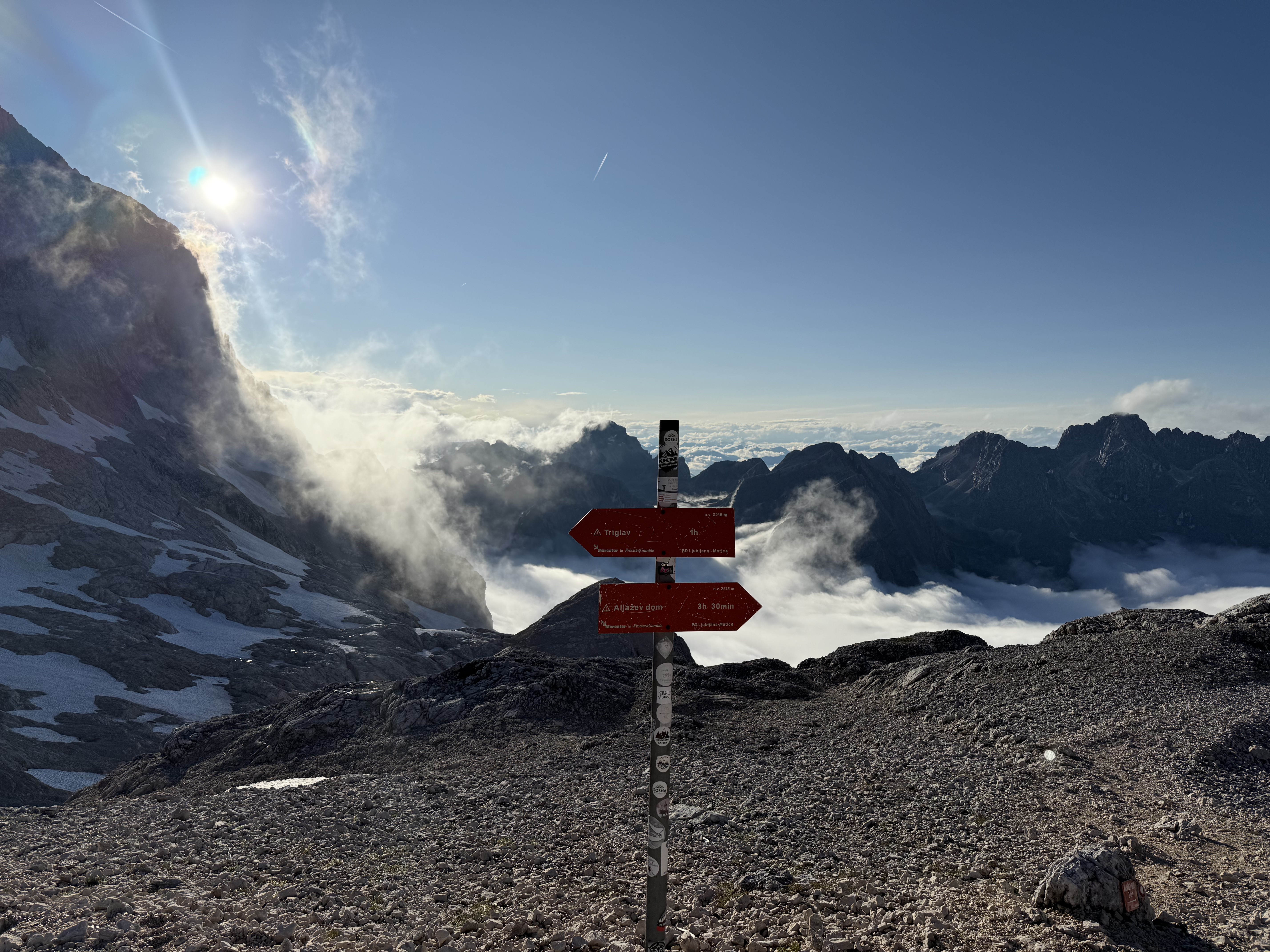
Each route offers a different experience.
-
Krma Valley is generally the easiest and most popular approach.
-
Vrata Valley is steeper and more alpine.
-
The Seven Lakes Valley is longer but one of the most scenic routes in Triglav National Park.
If you're climbing for the first time, local guides often recommend choosing the route according to the current weather conditions, hut availability and your experience rather than simply selecting the shortest option.
3. Should you climb Triglav in one day or two?
Although it is possible to climb Triglav in one day, most hikers will enjoy the mountain much more over two days.
Spending the night in one of the mountain huts allows you to:
-
spread the effort over two days;
-
enjoy the alpine scenery;
-
reach the summit early in the morning;
-
avoid turning the climb into a long endurance challenge.
A one-day ascent is generally recommended only for hikers in excellent physical condition.
4. Which mountain hut should you stay in?
Most climbers spend the night in either:
-
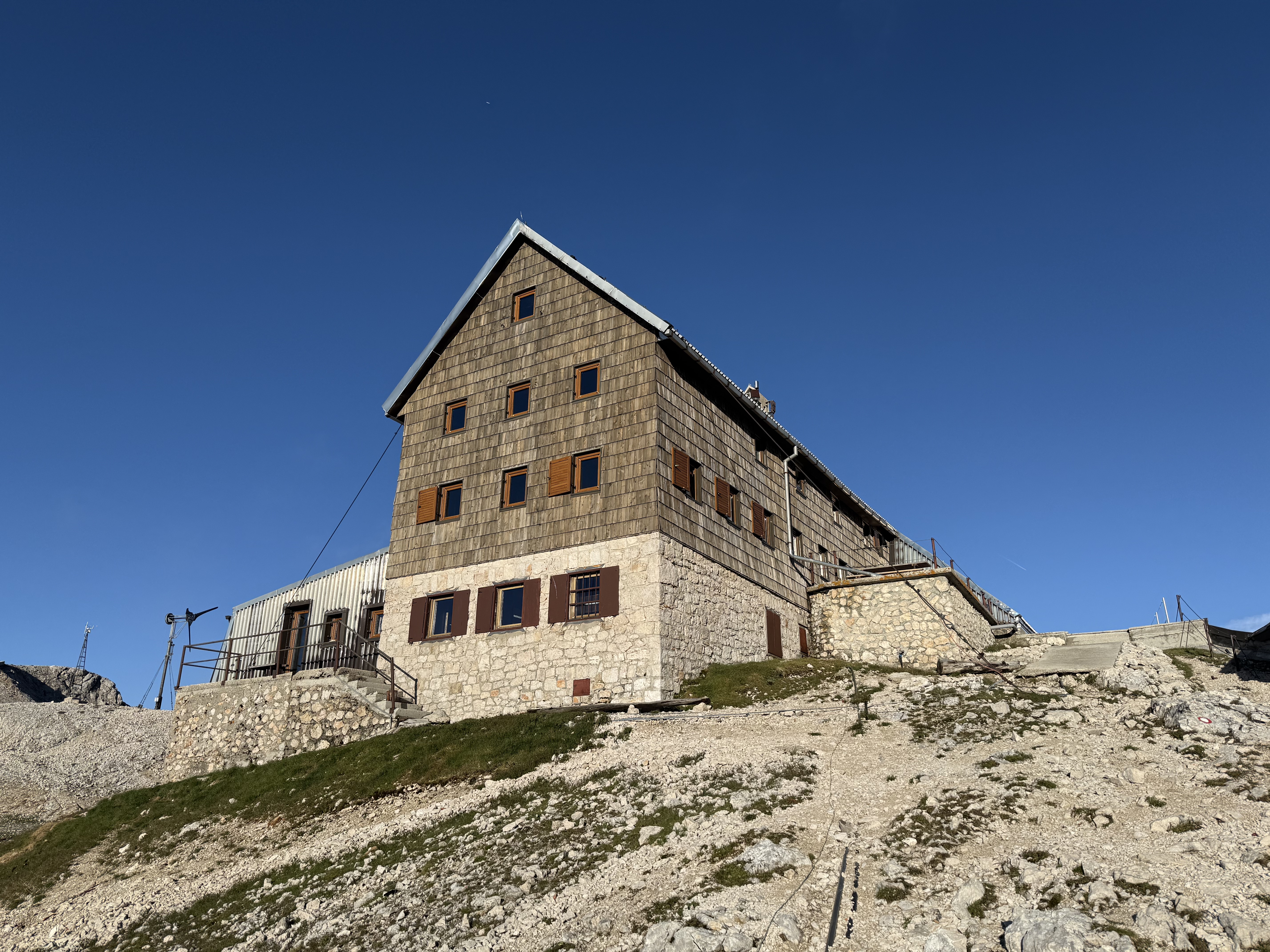
Triglavski dom na Kredarici, the highest mountain hut in Slovenia and the classic option for most routes.
-
Dom Planika pod Triglavom, a quieter alternative located slightly below the summit.
Depending on your chosen itinerary, other huts such as Vodnikov dom or Tržaška koča na Doliču may also be excellent options.
Whichever hut you choose, reservations should be made well in advance, especially during July and August.
If you're climbing with a guide, the hut booking is usually arranged for you.
5. What equipment do you need?
One of the most common mistakes first-time visitors make is underestimating Triglav. While the climb is not highly technical, you'll still spend many hours in alpine terrain, on rocky trails, with changing weather and an exposed via ferrata section near the summit. Having the right equipment makes a real difference to both your safety and enjoyment.
For a typical summer ascent, you'll need:
-
Sturdy hiking boots with good grip. This is by far the most important piece of equipment. Bring boots you've already used on uneven terrain rather than brand-new shoes.
-
A lightweight backpack (25-30L) for your clothing, water and overnight essentials. Keeping it compact makes the exposed sections much more comfortable.
-
Layered clothing, including a breathable base layer, a warm mid-layer and a waterproof jacket, as mountain weather can change quickly.
-
Helmet, harness and via ferrata set for the protected summit section. If you're climbing with a certified guide, this equipment is usually provided. Otherwise, you can rent a complete via ferrata set from Intersport Bernik before your climb.
-
Gloves, sunglasses, water, snacks and a headlamp, which are small items but can make a big difference over a long day in the mountains.
If you're new to via ferrata equipment, we recommend reading our article "Via ferrata for beginners: what to know before your first climb", which explains how the equipment works and how to use it safely.
6. When is the best time to climb?
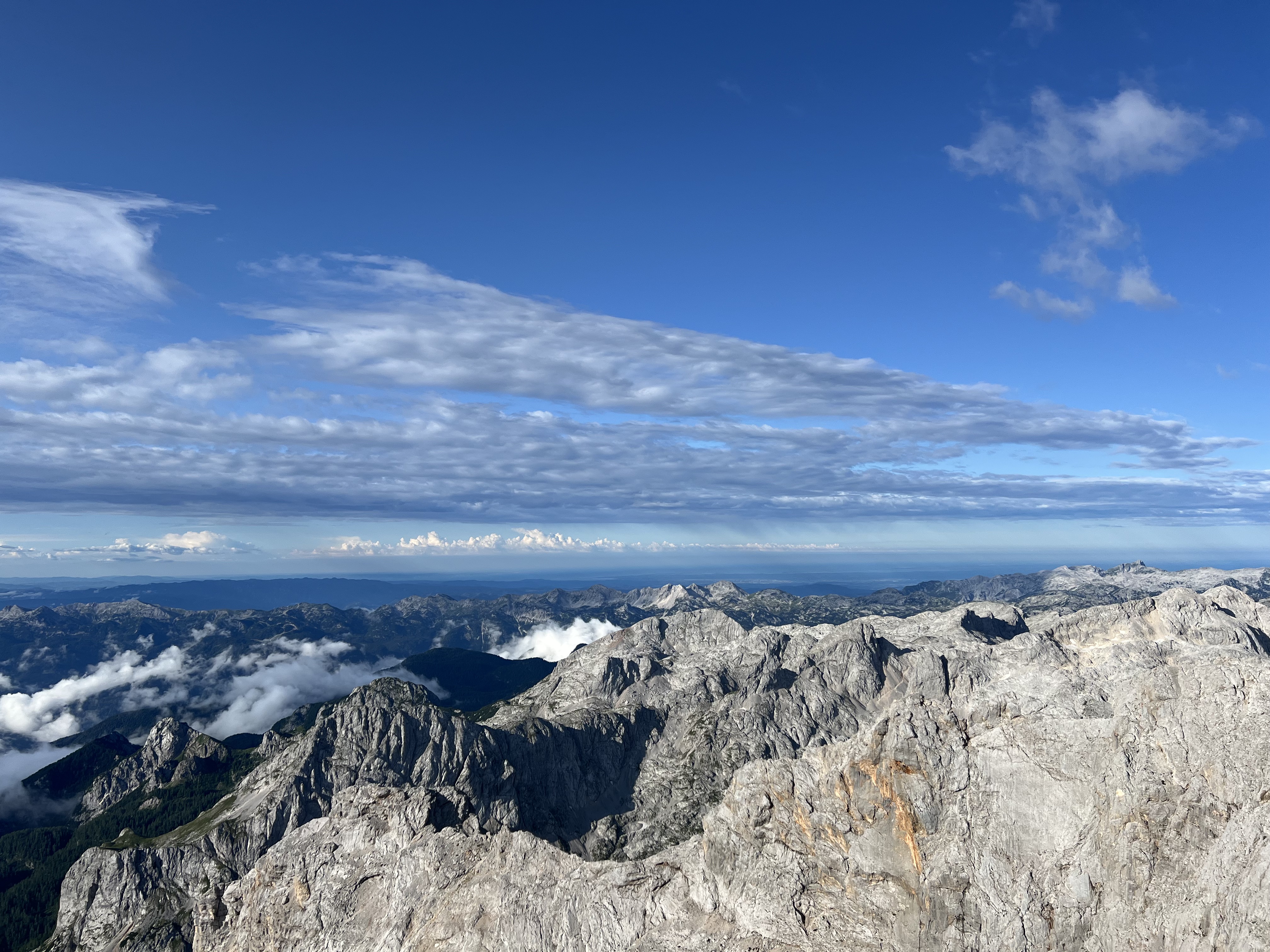
The normal hiking season runs from June until the end of September.
-
June often offers quieter trails while snow may still remain on higher sections.
-
July and August provide the longest days but are also the busiest months.
-
September is a favourite among many experienced hikers thanks to cooler temperatures and smaller crowds.
Weather always plays a major role, so it's worth remaining flexible whenever possible.
7. Can children climb Mount Triglav?
Yes, provided the objective matches the child's motivation and experience.
Mitja has guided many families to the summit and says:
"My kids climbed Triglav before they turned seven years old. Scaling almost 2,000 vertical metres requires children to already be comfortable with hiking. It's especially rewarding when the desire to climb comes from the children themselves. The summit via ferrata is usually less intimidating for children than adults, provided they don't suffer from a fear of heights."
Every child is different, but previous hiking experience is much more important than age alone.
8. Should you climb with a guide?
Many people successfully climb Triglav every year, but that doesn't necessarily mean it is the safest option for everyone.
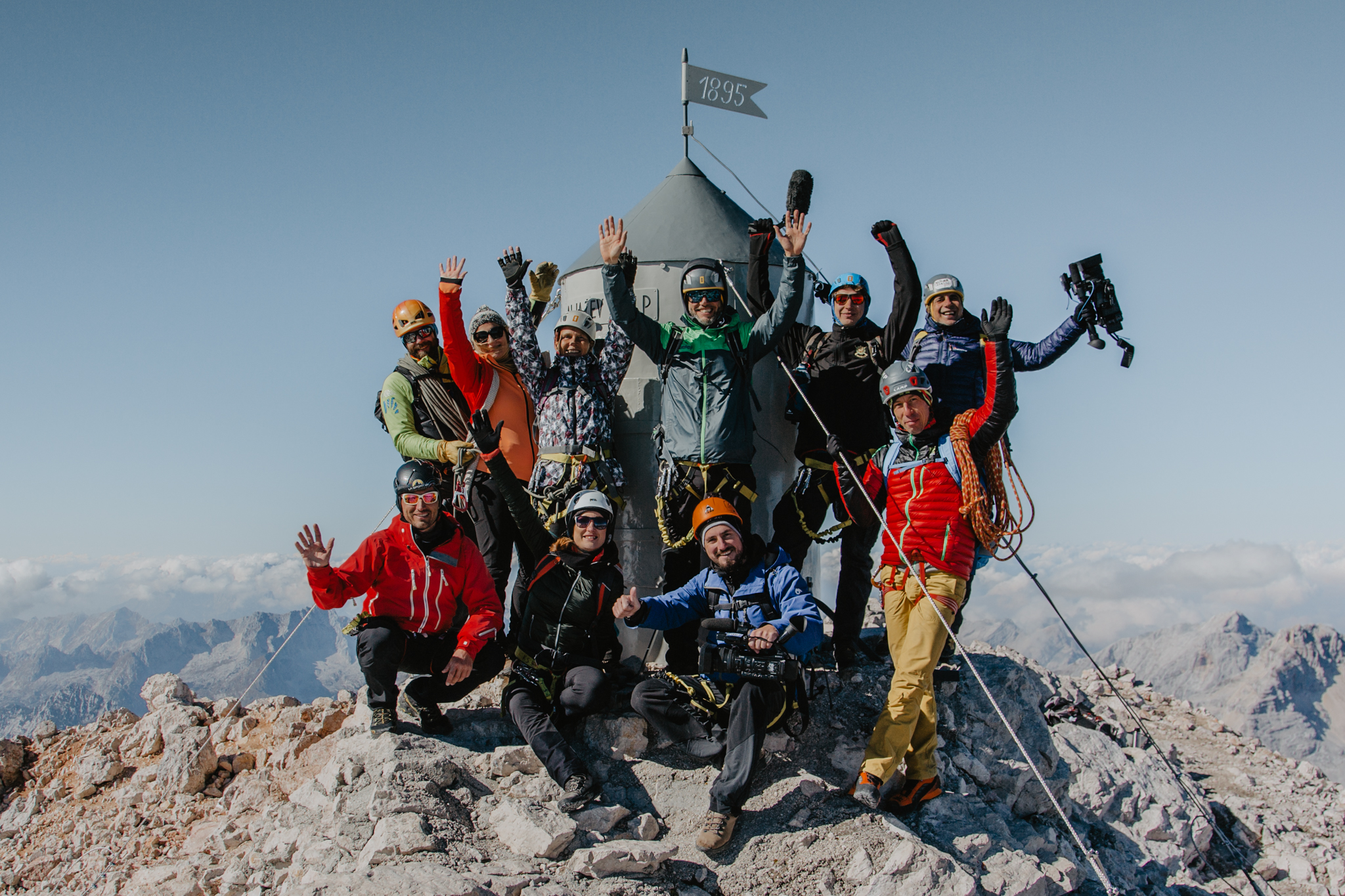
A certified local mountain guide brings much more than route finding.
They constantly evaluate:
-
weather conditions;
-
route conditions;
-
group pace;
-
objective hazards;
-
when to continue, turn around or change plans.
This is particularly valuable if it's your first time on Triglav, if you've never used via ferrata equipment before, or if you're unfamiliar with alpine terrain.
Safety should always be the priority, and a guide helps reduce many of the risks associated with mountain travel.
If, after reading this article, you're unsure whether Triglav matches your experience or would simply prefer the added safety of a local expert, you can climb the mountain with an IFMGA-certified Slovenian guide. Explore-Share partners with local certified mountain guides across Slovenia and offers both scheduled small-group departures and private ascents of Mount Triglav.
9. What do hikers most often underestimate?
After helping thousands of international travellers prepare for Triglav, a few things repeatedly surprise people:
-
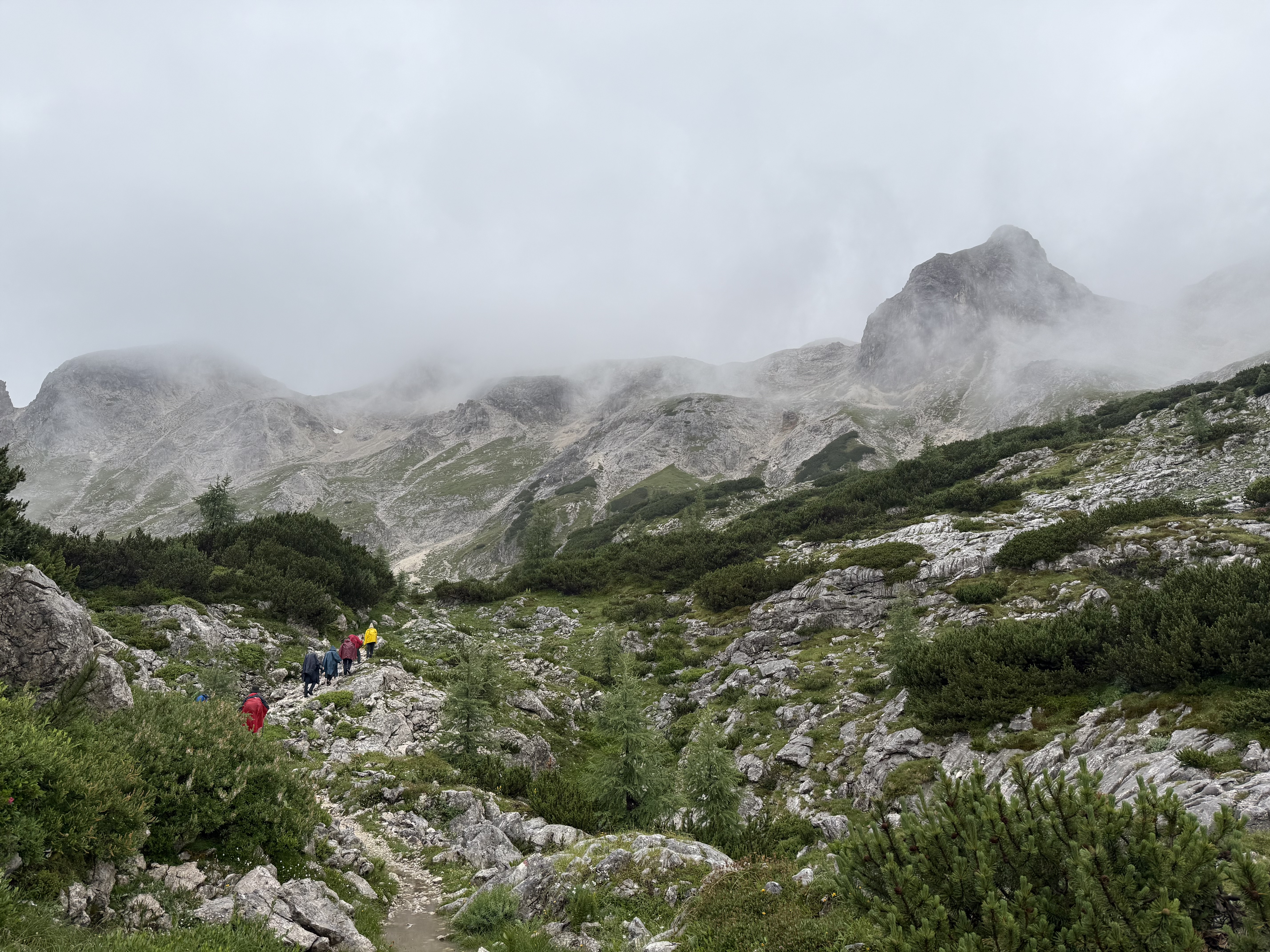
how physically demanding the descent can be;
-
how quickly mountain weather changes;
-
how exposed the summit ridge feels;
-
how early mountain huts become fully booked;
-
how much easier the day becomes with a light backpack.
Many of these challenges are exactly where local guides add the most value, helping hikers adapt to conditions and make safe decisions throughout the climb.
10. Final checklist before your climb
Before leaving for Triglav, make sure you've:
-
Decided whether climbing with a certified local mountain guide would be the safest option for your experience level.
-
Reserved your mountain hut.
-
Checked the latest weather forecast.
-
Packed appropriate clothing.
-
Organised your via ferrata equipment.
-
Planned an early start.
-
Packed enough food, water and cash for the mountain hut.
-
Chosen an itinerary that matches your experience and fitness.
With good preparation, the right equipment and a sensible approach to mountain safety, climbing Mount Triglav is one of the most rewarding adventures in the Julian Alps.